
Modern architecture demands building facades that deliver not just eye-catching visual grandeur, but also uncompromising resilience against relentless weathering, blistering sun, torrential monsoons, and thermal fluctuations. High-Pressure Laminate (HPL) panels and exterior wall cladding systems from Naturo Industries have emerged as the gold standard for architects, builders, and property owners seeking the perfect union of aesthetics and longevity.
Key Advantages at a Glance
Specialized double-hardened resin surface prevents color fading and chalking under severe sunlight.
Non-porous closed cell core stops water absorption, preventing delamination, mold, and rot.
High flexural modulus engineered to withstand flying debris, hail, and heavy wind loads.
Rainscreen rear-ventilated cavity design keeps interiors cooler and reduces HVAC energy costs.
1. What Are High-Pressure Laminate (HPL) Exterior Panels?
High-Pressure Laminates (HPL) are engineered composite panels manufactured under intense heat (over 150°C) and pressure (more than 9 MPa). Multiple layers of kraft paper impregnated with thermosetting synthetic resins are consolidated with a decorative surface layer and finished with an ultra-durable protective acrylic polyurethane overlay.
Unlike interior decorative mica sheets, Naturo Exterior HPL Panels utilize thermoset cross-linked polymer matrices on both facades. This ensures dimensional stability regardless of humidity swings or extreme temperature fluctuations ranging from -20°C to +80°C.
2. The Rear-Ventilated Rainscreen Principle
A defining engineering benefit of Naturo exterior cladding systems is the ventilated rainscreen facade method:
- Air Cavity Insulation: A continuous 25mm–50mm ventilation gap between the exterior cladding and the building’s structural wall allows natural chimney-effect air circulation.
- Condensation Dispersal: Any moisture penetrating the joints evaporates swiftly, keeping structural brickwork dry and preventing thermal bridging.
- Energy Savings: Dissipates radiant solar heat before it reaches the building envelope, significantly lowering indoor cooling demands.
3. Aesthetic Flexibility: From Natural Wood to Raw Industrial Textures
Traditional exterior finishes like real timber require recurring sanding, varnishing, and pest treatments every couple of years. Natural stone, on the other hand, adds heavy dead loads to structural foundations and is prone to water seepage stains.
Naturo HPL cladding overcomes these limitations by offering authentic, high-definition textures that remain pristine for decades:
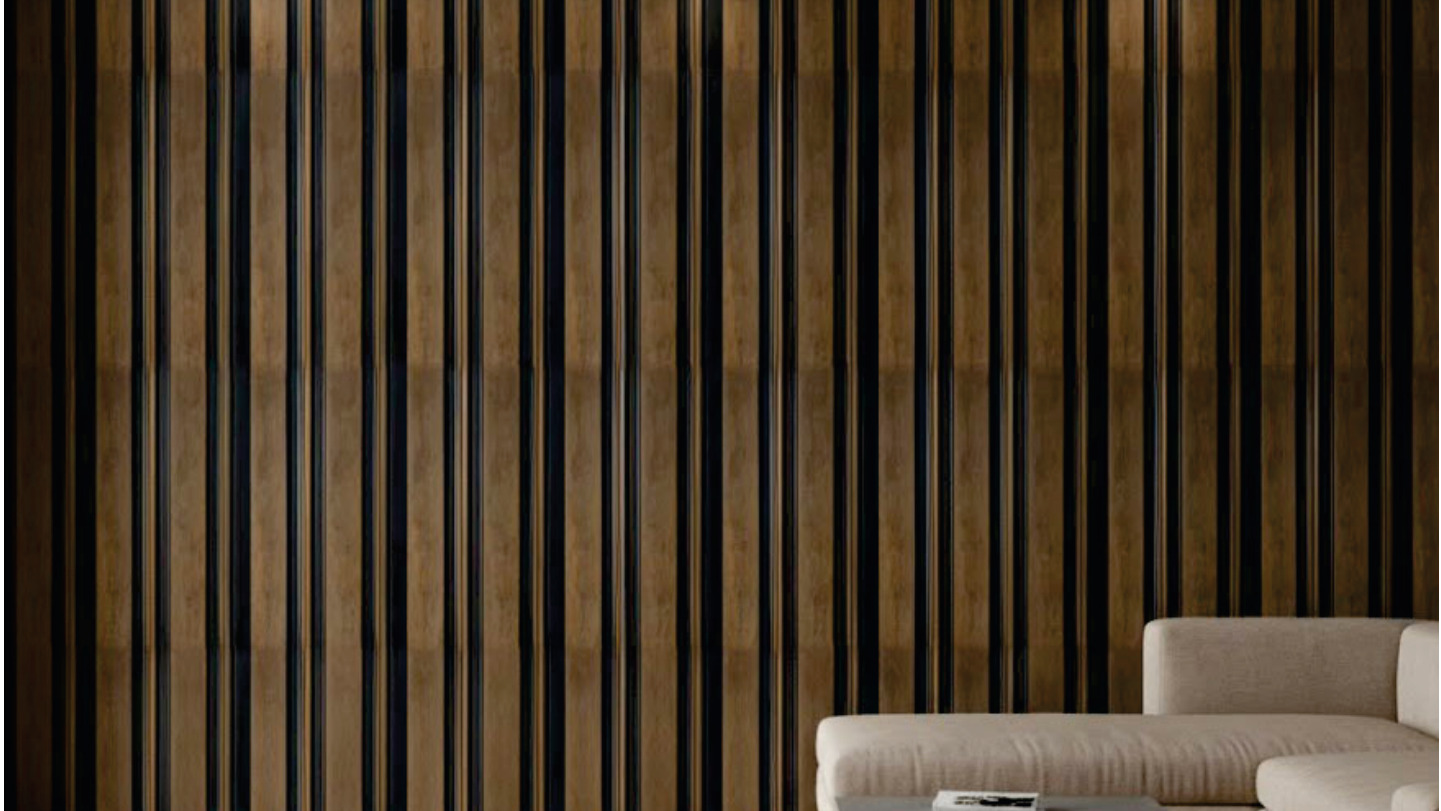
- Warm Natural Woodgrains: Teak, Walnut, Smoked Oak, Cedar, and Mahogany textures.
- Urban Stone & Concrete: Raw basalt, travertine, rust slate, and polished granite aesthetics.
- Solid Contemporary Tones: Deep anthracite grey, desert beige, architectural white, and bronze metallics.
4. Technical Specifications
| Property | Naturo HPL Exterior Specification | Standard Test Method |
|---|---|---|
| Standard Thickness | 6mm, 8mm, 10mm, 12mm | EN 438-4 |
| Standard Sheet Dimensions | 2440mm x 1220mm (8ft x 4ft), 3050mm x 1300mm (10ft x 4.25ft) | ISO 4586 |
| Density | ≥ 1.40 g/cm³ | ISO 1183 |
| Flexural Strength | ≥ 100 MPa | ISO 178 |
| UV Color Fastness | Grey Scale Rating ≥ 4 (Severe Xenon Arc Test) | EN 438-2 (Clause 28) |
| Water Absorption | < 1.5% | EN 438-2 |
| Fire Retardancy | Class 1 / Class B-s1, d0 available on request | BS 476 Part 7 / EN 13501-1 |
5. Installation Best Practices & Substructure
To ensure guaranteed performance, Naturo HPL panels are installed using specialized aluminum or galvanized steel substructures:
- Subframe Alignment: Vertical and horizontal aluminum brackets are anchored securely to the base masonry or concrete frame using structural expansion anchors.
- Expansion Gaps: Maintain a minimum 6mm–8mm expansion joint between adjacent panels to accommodate thermal movement.
- Fastening Options: Choose between color-matched rivets with EPDM rubber washers (visible fixing) or structural rear-clamping brackets (concealed fixing).
- Ventilation Inlets & Outlets: Ensure perforated insect screens are fitted at the bottom base and top parapet to maintain unobstructed airflow.
6. Environmental Sustainability & Zero Maintenance
Unlike painted facades that release volatile organic compounds (VOCs) and require frequent repainting, Naturo HPL panels are inert, non-toxic, and resistant to environmental pollutants like acid rain and automotive exhaust. Routine cleaning requires only a mild water spray or neutral soap solution.